
BIM Engineering Blog
Learning & Development
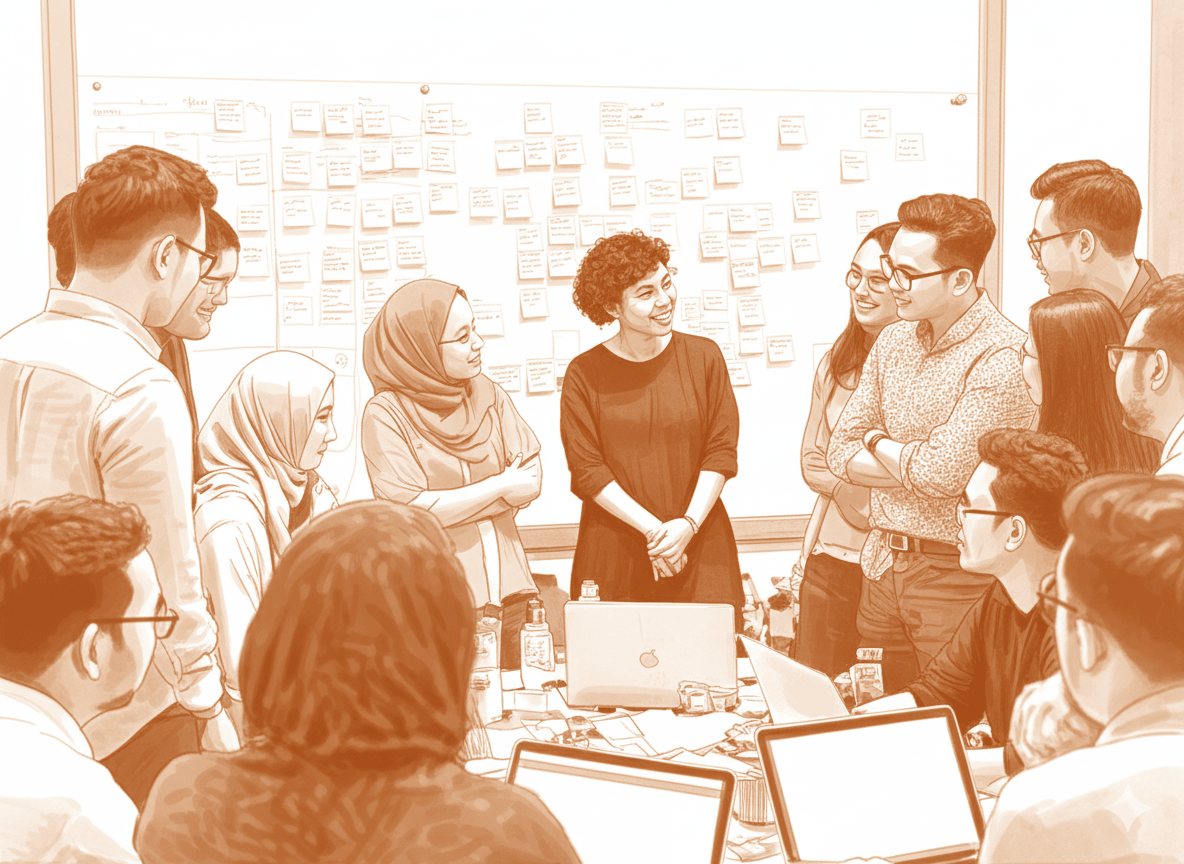
Learning & Development turns capability-building into measurable business outcomes. This category covers strategy and governance, skills frameworks and career paths, and modern delivery—micro-learning, cohort-based programmes, AI tutors, and learning in the flow of work. Expect practical playbooks for managers and facilitators, communities of practice, tool comparisons and templates, plus rigorous measurement of impact using learning analytics, Kirkpatrick/Phillips, and OKRs. We also curate credential roadmaps and micro-certifications so teams upskill faster and leaders can prove ROI.
Subcategories
Digital Engineering Skills

Engineers today are expected to command a modern toolchain that spans design, build, and operations. Core essentials include Git-based version control with peer reviews; issue tracking and road-mapping; CI/CD pipelines; containerization and orchestration; and cloud platforms for scalable compute and data. Discipline-specific stacks remain critical: CAD/BIM and PLM for product and built-environment teams; MATLAB/Simulink and multiphysics solvers for modeling; EDA for electronics; Python/SQL notebooks for analytics; and secure documentation, testing, and observability to close the loop.
Equally important are the workflows and credentials that signal rigor. Teams increasingly run Agile/Scrum with DevSecOps, TDD, code quality gates, and Infrastructure as Code, while systems groups adopt MBSE/SysML and safety or compliance frameworks (ISO 9001, ISO 27001, ISO 26262, DO-178C). Career-defining certifications include PMP/PRINCE2 for delivery, AWS/Azure/GCP architect tracks, Kubernetes CKA, Security+ or CEH, Autodesk Certified Professional/LEED for AEC, and PE/CEng where licensure applies. This category curates the tools to learn, the workflows to institutionalize, and the certifications that move engineers from competent to indispensable.
Smart Infrastructure & Design Strategy
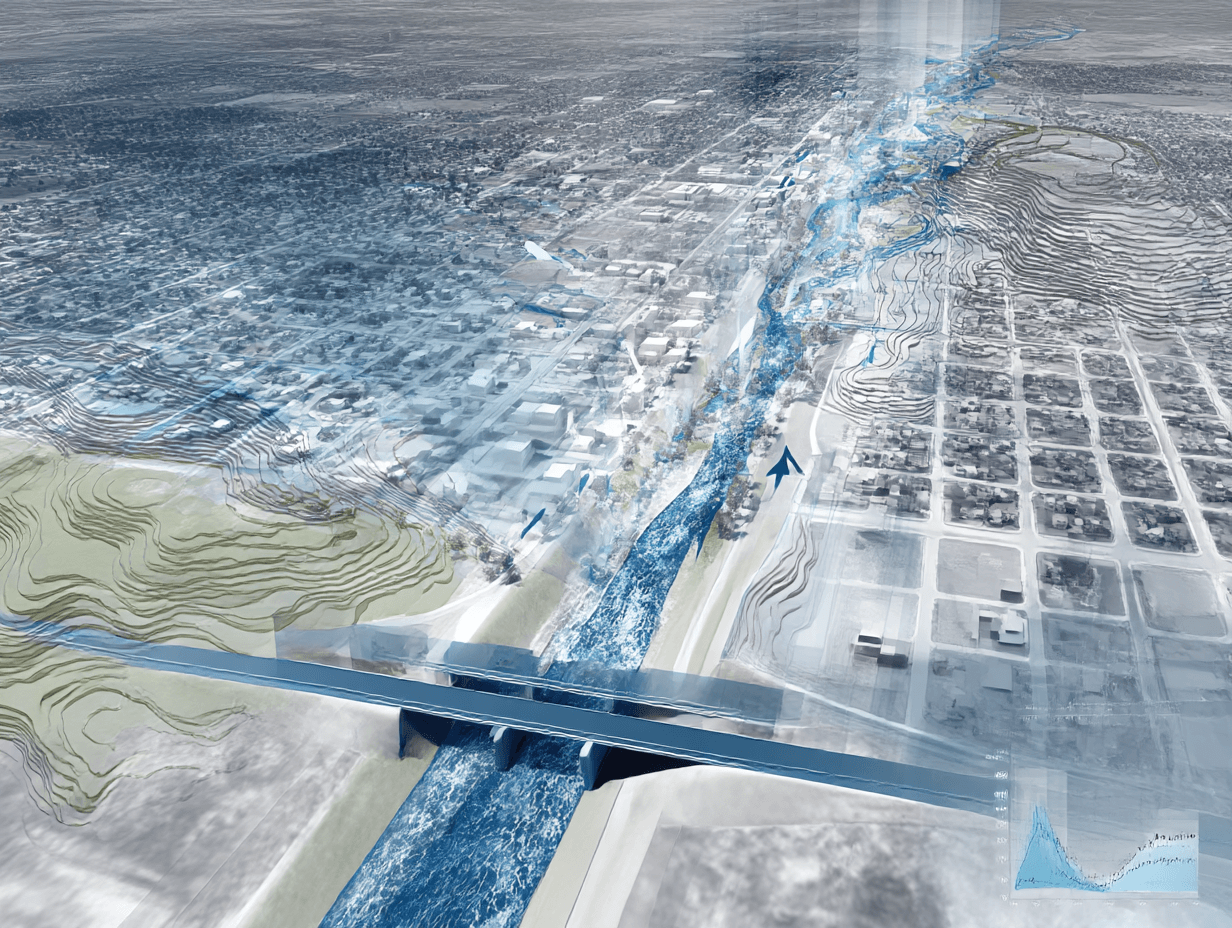
Smart Infrastructure & Design Strategy aligns planning, engineering, and operations so assets deliver measurable outcomes—reliability, safety, service quality, and lower lifecycle cost and carbon. It blends systems thinking with human-centred design, using BIM/GIS, IoT telemetry, digital twins, and predictive analytics to optimise whole-of-life performance and resilience.
This article category curates the how-to: governance models, data and interoperability patterns, 4D/5D simulation, asset performance and FM integration, retrofit strategies, and scaled rollouts beyond pilots. You’ll find standards and playbooks, procurement and financing options, ESG metrics, cybersecurity and privacy guardrails, and change-management practices that turn smart concepts into repeatable, auditable results.
Career Growth & Professional Development

Career Growth & Professional Development is about equipping professionals with the skills, credentials, and mindset to stay relevant in fast-evolving engineering and infrastructure fields. It explores strategies for building future-proof careers, insights from hiring managers, pathways from entry-level to leadership, and the benefits of emerging role specializations such as BIM-first workflows. Through real-world case studies and targeted training recommendations, this category helps individuals navigate industry changes, leverage technical tools, and achieve sustained professional success.
Project Delivery and Technology Integration
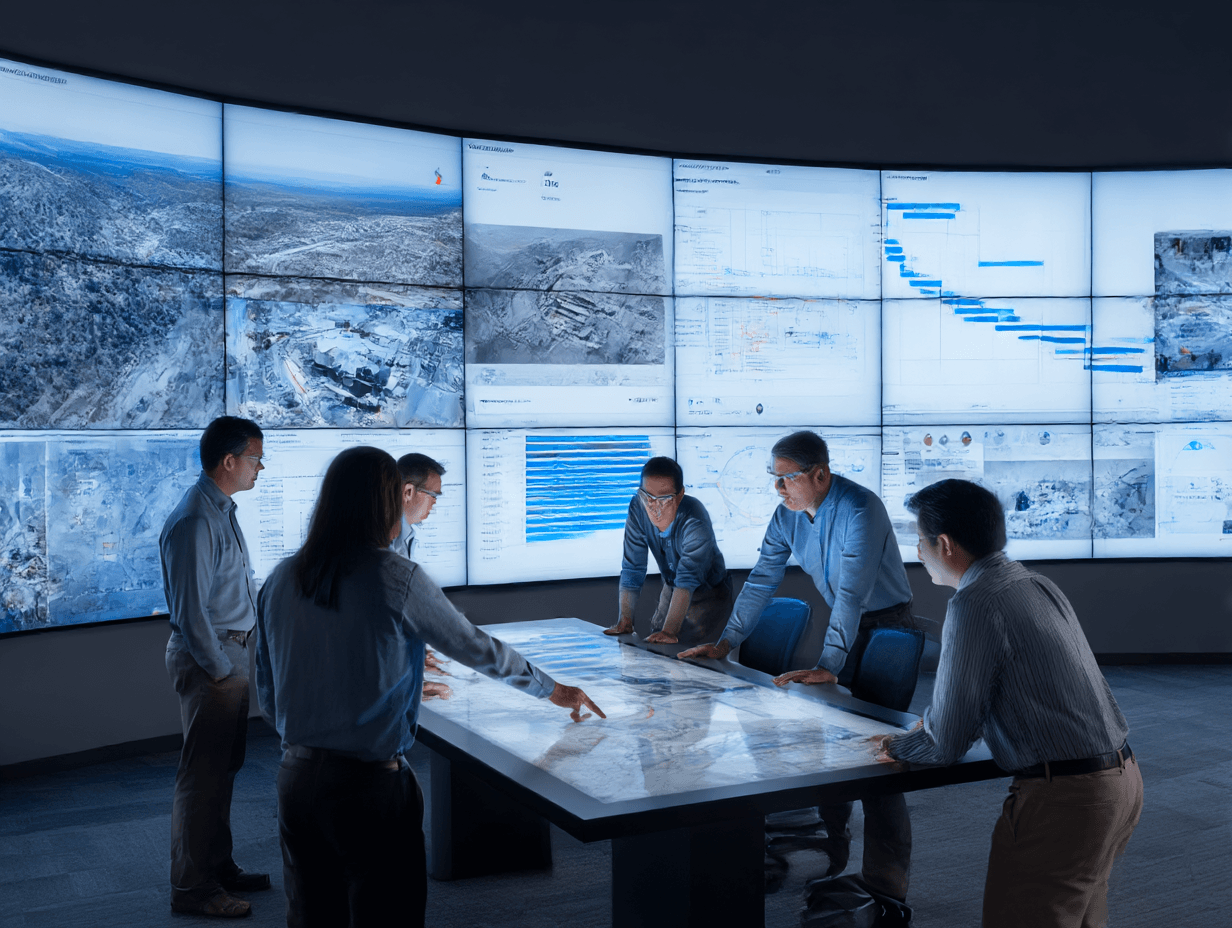
Project Delivery and Technology Integration focuses on uniting advanced digital tools, cross-disciplinary training, and streamlined workflows to improve outcomes on complex projects. It explores how BIM coordination, digital twins, integrated scheduling, and real-time monitoring enhance collaboration, reduce errors, and accelerate delivery. Through case-based insights and technical guides, this category equips teams to bridge the gap between planning and execution while embedding technology into every stage of the project lifecycle.
Learning Pathways & Industry Readiness

Learning Pathways & Industry Readiness is about designing a structured training journey that matches your discipline, career goals, and industry demands. It covers tailored skill-building for fields like civil, structural, and environmental engineering, progression from foundational tools to advanced simulation, and readiness checks for higher-level modules. By integrating compliance requirements, practical design skills, and targeted learning sequences, this category helps professionals prepare for real-world project roles with confidence and precision.